
Suppose you’ve got a product to ship. Maybe it’s a box of handmade crafts, a pallet of machinery, or even a container of garments fresh from the factory floor. You’re excited to get it moving—until the big question hits: how on earth do you get it from Point A to Point B?
Welcome to the world of logistics. At first glance, it can feel like a maze of confusing jargon, complicated routes, and too many choices. But don’t worry—understanding the basics of transportation modes is your golden ticket to navigating this world with confidence.
In this guide, we’re going to strip away the complexity and break it down into the four primary transportation modes—road, rail, air, and sea. Think of it as your beginner’s map to logistics. By the end, you’ll know exactly which mode makes sense for your shipment, whether you’re looking for speed, cost savings, flexibility, or sheer hauling power.
Because here’s the truth: the right transportation mode isn’t just about moving goods. It’s about saving time, cutting costs, and building a supply chain that helps your business grow. 🚀
Table of Contents
Road Transport (Trucking)
When most people think of shipping, they picture trucks on highways—and for good reason. Road transport is the most common and flexible transportation mode, carrying everything from Amazon packages to full truckloads of industrial goods. If logistics had a “Swiss Army knife,” trucking would be it.
Why Road Transport Works
The magic of trucking lies in its ability to go almost anywhere. Unlike ships or trains that are locked into ports and tracks, trucks can roll right up to your warehouse, storefront, or even a remote village. That means true door-to-door service, a perk no other mode can fully match.
And for short to medium distances, road transport is often the fastest option. No waiting for port clearances or train schedules—just load up and go. Think of it as the “on-demand” mode of freight.
Road Transport Limitations
Of course, trucks aren’t perfect. For long-haul shipments, costs can climb quickly compared to rail or sea. Fuel, tolls, and driver wages all add up. Plus, trucks are limited by their capacity—you’re not going to move an entire factory’s worth of steel beams in one go.
And let’s be real: traffic jams are the nemesis of trucking. Nothing says “logistics headache” like your shipment being stuck in a five-hour standstill because of road congestion.
When to Choose Road Transport
Road transport is your go-to when you need:
Local and regional deliveries (getting products around your city or country).
Final-mile delivery, which is just a fancy way of saying “the last stretch from the depot to the customer’s door.”
Time-sensitive shipments over short distances—like when a retailer needs those missing cartons yesterday.
Road Transport in Action
Imagine you’re a clothing retailer in Dhaka. A container of your products arrives by sea at Chattogram Port. The container can’t magically appear in your store—so trucks handle the crucial final leg, bringing your goods right where they need to be. Without trucking, that supply chain would grind to a halt.
Rail Transport (Trains)
If trucking is the Swiss Army knife of logistics, then rail transport is the heavy lifter—the mode you call in when the cargo is just too much for wheels on asphalt. Rail moves goods in wagons or containers along fixed tracks, and it’s been the backbone of inland freight for over a century.
Why Rail Transport Works
When it comes to bulk and volume, trains are unmatched on land. A single freight train can carry the equivalent of hundreds of trucks—everything from coal and grain to stacked containers. That sheer scale makes rail extremely cost-effective for big, heavy shipments that would bankrupt you if moved entirely by road.
And here’s another win: efficiency. Rail consumes far less fuel per ton-mile than trucking, making it not just cheaper but also greener. In fact, some studies show rail can be up to four times more fuel-efficient than road transport. If you’re serious about sustainability, trains deserve a place in your logistics mix.
Eco Fact: According to the Association of American Railroads, freight railroads are on average three to four times more fuel-efficient than trucks — and moving freight by rail instead of road reduces greenhouse gas emissions by up to 75%. That makes rail one of the greenest ways to move freight overland.
Rail Transport Limitations
Of course, there’s a catch. Rail networks are limited to where the tracks go. Unlike trucks, trains can’t just pull up to your warehouse or a customer’s front door. That means you’ll almost always need a truck to handle the first mile and last mile of the journey. Think of rail as the strong middleman—it does the heavy lifting, but it needs road transport for the finishing touches.
When to Choose Rail Transport
Rail transport shines in these scenarios:
Long-distance inland shipments (moving goods across countries or continents).
Bulk commodities like coal, grain, steel, or lumber.
Large volumes of containers traveling from coast to coast.
Rail Transport in Action
Picture this: a grain harvest in rural Canada. Farmers load grain into rail wagons, which travel thousands of kilometers to ports on the Pacific coast. From there, the grain can be shipped overseas. Without rail, that kind of massive inland-to-global journey just wouldn’t be possible.
Sea Transport (Ships)
When it comes to global trade, sea transport is the king of the oceans. This mode is all about moving goods in giant steel containers stacked high on massive cargo vessels that crisscross the world’s seas and oceans. In fact, more than 80% of global trade by volume moves by ship—that’s how dominant it is.
Why Sea Transport Works
If you’re looking for the cheapest way to ship large volumes over long distances, sea freight is your best friend. Thanks to economies of scale, one vessel can carry thousands of containers at once, making the cost per unit of cargo shockingly low compared to other transportation modes.
It’s like a bulk discount for logistics—the more you ship, the more cost-effective it becomes.
Sea Transport Limitations
The trade-off? Speed—or rather, the lack of it. Sea transit is by far the slowest option, often taking weeks, sometimes even months, depending on the route. If you’re shipping time-sensitive goods, waiting for a container ship to cross the ocean might test your patience (and your customer’s).
And flexibility isn’t sea freight’s strong suit. It’s limited to port-to-port shipments, so you’ll always need another mode—like road or rail—to complete the journey.
When to Choose Sea Transport
Sea transport makes the most sense when you’re dealing with:
International shipments over long distances.
Heavy or bulky cargo like cars, machinery, or construction materials.
Non-perishable goods where transit time isn’t a dealbreaker (think furniture, textiles, or raw materials).
Sea Transport in Action
Imagine a Bangladeshi apparel manufacturer shipping garments to the US. Thousands of cartons are packed into containers, loaded onto a cargo ship in Chattogram, and sent across the ocean to New York. It may take weeks, but the cost savings make sea freight the most practical choice.
Did you know? According to UNCTAD, maritime transport moves over 80% of goods traded worldwide by volume, making it the undisputed king of long-distance freight. The International Chamber of Shipping puts the figure even higher — around 90% by value of world trade.
Perfect — here’s your Air Transport (Planes) section in the same friendly, persuasive, and engaging tone as the others:
Air Transport (Planes)
When time is money, air transport is the superhero of logistics. Instead of waiting weeks for a ship to cross the ocean or days for a train to roll across continents, air freight can deliver your goods to the other side of the world in just a day or two. It’s like express shipping on steroids.
Why Air Transport Works
This is the fastest transportation mode out there, hands down. Airplanes turn global trade into something close to instant gratification—perfect for when every hour counts. Need medical supplies delivered across continents? Or want to get this season’s hottest gadgets into stores before your competitors? Air freight has your back.
Air Transport Limitations
But speed comes at a price—literally. Air freight is by far the most expensive mode, often several times costlier than sea or rail. On top of that, aircraft have capacity limits. You’re not loading a thousand containers onto a plane; you’re working within strict size and weight restrictions. Think lightweight, high-value cargo, not mountains of coal or steel.
When to Choose Air Transport
Air freight shines in scenarios like these:
- High-value, low-volume goods such as electronics, luxury watches, or jewelry.
- Time-sensitive or perishable shipments like fresh flowers, vaccines, or seafood.
- Urgent deliveries where a missed deadline could mean lost sales or lost opportunities.
Air Transport in Action
Picture this: a tech company in Shenzhen needs to ship the latest smartphones to New York in time for a big product launch. Shipping by sea would take weeks—missing the hype completely. By sending them via air, those phones are on store shelves within days, ready for customers lining up outside.
Most Common Mode of Freight Transportation: The Ultimate Guide
Common Mistakes Beginners Make in Choosing Transport Modes
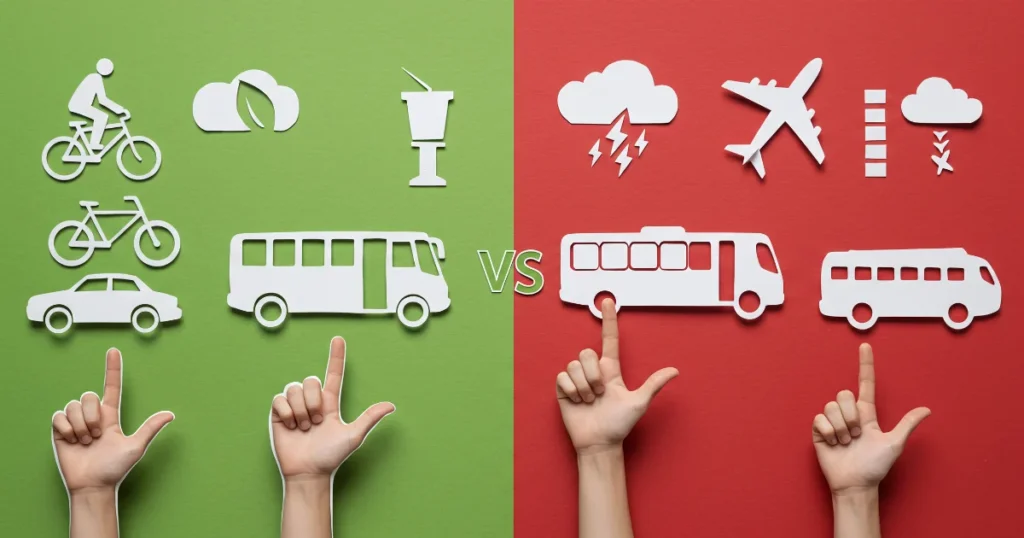
If you’re new to shipping and logistics, picking the right transportation mode can feel a bit like choosing the fastest line at the grocery store—what looks like the best option at first glance doesn’t always turn out that way. Many beginners make costly mistakes when deciding how to move their goods. Let’s look at the big ones so you don’t fall into the same traps:
Mistake 1: Always Choosing the Cheapest Option
It’s tempting to go straight for the lowest cost, but here’s the catch: the cheapest option isn’t always the best. Sea freight might save you money, but if your goods are seasonal or time-sensitive (like fashion or perishable items), you’ll lose more in delays than you saved upfront.
👉 Pro Tip: Weigh cost against speed and reliability. Sometimes paying more for air or road transport keeps your supply chain—and your profits—intact.
Mistake 2: Ignoring Cargo Type
Not all goods travel the same way. Shipping fragile electronics in a truck over bumpy roads without proper packaging? Recipe for disaster. Sending heavy machinery by air? Prepare for a massive bill.
👉 Pro Tip: Match the transportation mode to the nature of your goods. Bulk and heavy? Go rail or sea. Fragile and valuable? Air or carefully planned road transport.
Mistake 3: Forgetting About Customs and Paperwork
Beginners often underestimate how tricky international shipping can be. Customs delays, missing documents, or wrong declarations can stall your shipment for weeks. Sea and air freight especially demand airtight documentation.
👉 Pro Tip: Always plan ahead for paperwork, and work with a freight forwarder if you’re unsure.
Mistake 4: Overlooking the “Last Mile”
Here’s a common rookie error: focusing only on getting goods across the ocean or country, but forgetting how they’ll reach the customer at the final destination. Even if rail or sea gets your shipment close, you’ll still need trucks for last-mile delivery.
👉 Pro Tip: Factor in the entire journey—not just one leg. Intermodal transport often saves time and money.
Mistake 5: Ignoring Reliability and Risk
Beginners sometimes gamble with reliability. For example, sea freight is cheap but prone to port congestion and weather delays. Trucks are flexible, but traffic jams and fuel price spikes can throw off delivery schedules.
👉 Pro Tip: Build some buffer time into your shipping plans and choose a transport mode that balances reliability with your deadlines.
✅ Bottom Line: Choosing the right transportation mode isn’t just about cost—it’s about finding the sweet spot between speed, safety, reliability, and flexibility. By avoiding these common mistakes, you’ll set up a smoother, smarter supply chain right from the start.
Check our Air Freight and Sea Freight service for your logistics support
Factors to Consider When Choosing a Transport Mode
Picking the right transportation mode isn’t just about getting goods from point A to point B—it’s about making the smartest, most cost-effective decision for your business. Whether you’re shipping locally or globally, here are the key factors to keep in mind:
1. Cargo Characteristics
Value: High-value items like electronics or jewelry often travel by air for maximum security and speed.
Size & Weight: Oversized machinery or heavy bulk cargo fits best on ships or trains.
Perishability: Perishable goods like fresh flowers, seafood, or medicines need fast transport—usually air or refrigerated trucking.
💡 Example: A shipment of smartphones? Air freight makes sense. A bulk order of steel pipes? Sea or rail is far more practical.
2. Distance and Delivery Time
Short to Medium Distance: Road transport is king for regional shipments and door-to-door delivery.
Long Inland Hauls: Rail provides cost savings and efficiency.
International Shipments: Sea is the most economical, while air dominates when urgency is critical.
📦 Think of it like this: if time is money, air wins. If saving money matters more, sea is unbeatable.
3. Cost and Budget
Budget often tips the scale when selecting a transportation mode.
Sea freight is cheapest per unit but slower.
Air freight costs more upfront but can save on inventory holding costs for high-value goods.
Road freight is competitive for regional deliveries but can get pricey over long distances.
Rail freight offers excellent value for bulk cargo overland.
4. Infrastructure and Accessibility
Your choice may be limited by the infrastructure available in your region. Some areas lack strong rail networks, while others rely heavily on ports. In countries like Bangladesh, for example, road and sea dominate simply because they connect more locations.
5. Sustainability
In today’s world, businesses can’t ignore the environmental impact of logistics.
Rail and sea are generally the most fuel-efficient per ton-mile.
Air freight, while fast, has the largest carbon footprint.
Road freight sits in the middle, with fuel efficiency depending on vehicle type.
🌱 If your brand emphasizes eco-friendly operations, sustainability might heavily influence your decision.
✅ Bottom Line: Choosing the right transportation mode is about balance. Look at your cargo, time requirements, budget, and even environmental goals before making the call. The smartest businesses weigh these factors together instead of focusing on just one.
Read More: Types of Transport Modes Explained
Quick Comparison: Factors vs. Transportation Mode
| Factor | Best Transportation Mode(s) | Why It Works |
|---|---|---|
| Cargo Value | ✈️ Air Freight, 🚚 Road Freight | Fast, secure, reduces risk for high-value items. |
| Cargo Size & Weight | 🚆 Rail Freight, 🌊 Sea Freight | Can handle bulk, heavy, or oversized shipments. |
| Perishability / Urgency | ✈️ Air Freight, 🚚 Road Freight | Fast delivery preserves quality and meets deadlines. |
| Distance (Short vs. Long) | 🚚 Road Freight (short), 🚆 Rail Freight (long inland), 🌊 Sea Freight (international) | Efficiency varies by distance. |
| Cost / Budget | 🌊 Sea Freight (cheapest per unit), 🚆 Rail Freight (bulk overland), 🚚 Road Freight (regional) | Balances budget with cargo needs. |
| Infrastructure Availability | 🚚 Road Freight, 🌊 Sea Freight, 🚆 Rail Freight | Depends on road networks, ports, and rail lines in the region. |
| Environmental Impact | 🚆 Rail Freight, 🌊 Sea Freight | Most fuel-efficient per ton-mile; lowers carbon footprint. |
✅ Pro Tip: Use this chart as a quick reference guide every time you plan a shipment. It helps you match your cargo, timeline, and budget to the right transportation mode without second-guessing.
Quick Decision Checklist: Picking the Right Transportation Mode
When in doubt, use this cheat sheet to match your shipping needs with the best mode:
| Your Priority | Best Transportation Mode | Why It Works |
|---|---|---|
| Lowest Cost for Large Volumes | 🌊 Sea Freight | Cheapest option with massive capacity. |
| Fastest Delivery | ✈️ Air Freight | Gets goods across continents in days. |
| Regional / Door-to-Door Delivery | 🚚 Road Freight | Flexible, fast for short to medium hauls. |
| Bulk & Heavy Goods (Inland) | 🚆 Rail Freight | High capacity and fuel-efficient. |
| Best of Both Worlds | 🔄 Intermodal Transport | Combines modes to balance cost, speed, and flexibility. |
✅ Pro Tip: Always ask yourself three simple questions before booking:
1. What am I shipping (size, weight, value, fragility)?
2. How fast does it need to arrive?
3. What’s my budget for transport?
Your answers will almost always point you toward the right transportation mode (or a smart combination).
Frequently Asked Questions
What are the 4 main modes of transportation in freight?
The four main modes of freight transportation are road, rail, sea, and air. Road freight moves goods by truck and is the most flexible option for door-to-door delivery, especially for short and medium distances. Rail freight uses trains for heavy, bulk cargo over long inland distances at lower cost and lower emissions than road. Sea freight moves containerized and bulk cargo on vessels across oceans — it’s the highest-volume mode globally, carrying around 40,000 billion tonne-kilometres of freight annually. Air freight is the fastest mode, used for time-sensitive, high-value, or perishable goods that can’t wait for a sea or rail shipment. Most international supply chains combine at least two of these modes in a single shipment journey.
Which transportation mode is the cheapest?
Sea freight is almost always the cheapest option for large international shipments, offering the lowest cost per unit or per kilogram over long distances. For a China-to-Bangladesh or China-to-USA shipment of 15 CBM or more, ocean freight will almost always be significantly cheaper than the alternatives. Rail freight comes in as a competitive second for long inland hauls — particularly on routes like China to Central Asia or China to Europe. Road freight is cost-effective for short and medium distances but becomes expensive over long hauls. Air freight is consistently the most expensive mode, typically costing 4–6 times more than sea freight for the equivalent shipment weight.
Which transportation mode is the fastest?
Air freight is the fastest by a wide margin — international shipments typically move in 1–3 days from departure to arrival. For importers shipping from China to Bangladesh, air freight cuts a 10–18 day ocean transit down to 3–5 days. Road freight is the fastest option for short-haul and last-mile domestic delivery. Rail is relatively fast for long inland routes and is unaffected by weather or traffic. Sea freight is the slowest mode for international shipping, but its cost efficiency makes it the right choice for the majority of commercial shipments where time is not the critical factor.
What is intermodal transport and when should I use it?
Intermodal transport means your shipment uses more than one mode of transport
on a single journey — for example, road from a factory in Shenzhen to the port, then sea from Shanghai to Chattogram, then road again for inland delivery in Bangladesh. The cargo stays in the same standardized container throughout, without being unpacked or repacked at each handover point. Most international shipments are already intermodal by nature, even if the shipper doesn’t think of them that way. You should actively plan for intermodal routing when no single mode can efficiently cover the full door-to-door journey — which is true for virtually every cross-border shipment involving an ocean or rail leg.
What factors should I consider when choosing a transportation mode?
Five factors drive the decision for most importers:
Cargo type — Is it fragile, perishable, hazardous, or bulk? Each characteristic eliminates certain modes immediately
Urgency — How many days can you wait? If the answer is fewer than 7, air freight is almost certainly the answer
Volume and weight — Small, lightweight shipments under 15 CBM are often better suited to LCL sea or air; large, heavy shipments point clearly to FCL sea
Budget — Air freight costs 4–6 times more than sea per kilogram — can your product’s margin absorb that?
Route — Domestic, regional, or intercontinental? The mode that makes economic sense for 500 km rarely makes sense for 5,000 km
For most importers shipping from China to Bangladesh or the USA, the core decision is simply air vs. ocean freight — and the post’s Quick Decision Checklist above will walk you through it in under two minutes.
Is sea freight always slower than air freight?
Yes in terms of transit time — but “slower” doesn’t always mean “worse.” Sea freight from China to Bangladesh takes 10–18 days port-to-port versus 3–5 days by air, so air is faster. But sea freight lets you ship far larger volumes at a fraction of the cost. For many importers, the smarter comparison isn’t just speed — it’s the total cost of the delay. If your goods have a long shelf life and you plan your stock levels around a 3–4 week lead time, the transit time difference becomes irrelevant, and sea freight’s cost saving goes straight to your margin. Speed matters most when the cost of waiting — lost sales, stockouts, spoilage, or contractual penalties — exceeds the premium you’d pay for air.
Can I use more than one transport mode for a single shipment?
Yes — and for almost any international shipment, you already are. A typical China-to-Bangladesh shipment uses road freight from the factory to the origin port in China, ocean freight across the Bay of Bengal, and road freight again from Chattogram port to the importer’s warehouse in Dhaka. Each leg uses the mode best suited to that part of the journey. Working with a freight forwarder like FR Logistics means you have one point of
contact managing all the handoffs between modes — including documentation, customs clearance, and delivery coordination — rather than negotiating separately with three different carriers yourself.
Conclusion: Putting It All Together
Shipping isn’t just about moving goods—it’s about building a smart, efficient supply chain. The best strategy often involves a combination of transportation modes. For instance, a product might travel by sea from Asia to Europe, then by rail across the continent, and finally by truck to a local warehouse. This is the power of intermodal transport—using each mode’s strengths to get your cargo where it needs to go.
The Right Mode Doesn’t Have to Be Complicated
When choosing a transportation mode, ask yourself three key questions:
1. How fast does it need to get there? (Speed vs. cost)
2. How big and heavy is my cargo? (Capacity)
3. Where is it going? (Network and flexibility)
Answering these questions will help you balance speed, cost, and practicality—making your shipping decisions smarter and your logistics smoother.
Your Next Step: Put This Into Practice
Armed with this foundational knowledge, you’re ready to stop guessing and start shipping smarter. The framework is simple:
- Know your cargo — weight, volume, fragility, and any special handling requirements
- Know your deadline — does the shipment need to arrive in 3 days or 30?
- Know your route — domestic, cross-border, or intercontinental?
- Match the mode — use the comparison tables above as your starting point
For most importers shipping from China to Bangladesh or China to the USA, the decision usually comes down to air freight vs. ocean freight — and the right answer depends entirely on your specific cargo, timeline, and
budget. That’s exactly the kind of decision FR Logistics helps clients make every day.
Whether you need a fast, secure air freight solution or a cost-efficient FCL or LCL ocean shipment, our team handles the mode selection, documentation, customs clearance, and delivery — so you don’t have to figure it out alone.
📞 Get a free freight quote from FR Logistics and let’s find the right mode for your next shipment.
Author’s Profile