
Ever wondered how large shipments travel securely across oceans? 🌊 Picture this — a massive steel container packed with goods, sealed tight, and sailing thousands of miles across the sea without anyone touching it until it reaches its final destination. That’s FCL in shipping, short for Full Container Load — one of the most trusted and cost-effective ways to move goods around the globe.
For importers and exporters, FCL isn’t just a shipping method — it’s a smart business move. When you ship a full container, you’re not sharing space (or risk) with anyone else. Your products stay together, safe from mixing, damage, or customs confusion. Plus, FCL shipments often move faster, since there’s no waiting to fill up space with other people’s cargo.
So if you’ve ever struggled with late deliveries, broken boxes, or surprise shipping fees, FCL might just be your new best friend.
By the end of this guide, you’ll understand exactly what FCL shipping means, how it works, and when it’s the right choice for your business — with practical tips to make your next ocean shipment smooth sailing. 🌍⚓
Table of Contents
What Does FCL Mean in Shipping?
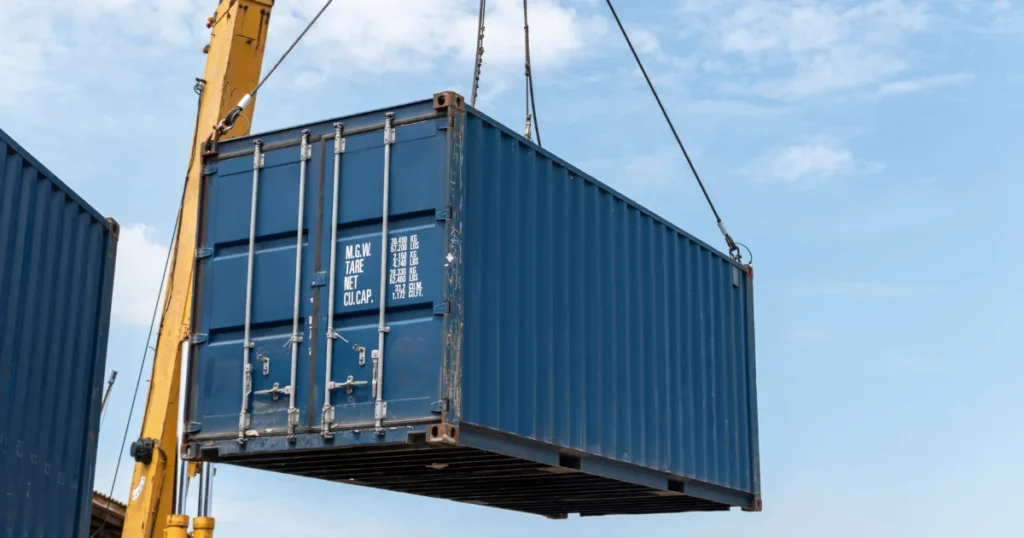
Alright, let’s break it down — FCL in shipping stands for Full Container Load, and it’s exactly what it sounds like. One shipper rents an entire container for their own goods. No sharing, no mixing, no surprises. Everything inside that 20-foot or 40-foot steel box belongs to you (the exporter) and is headed to one receiver (the consignee).
Think of it like renting your own private moving truck instead of carpooling with strangers. You control what goes in, how it’s packed, and when it leaves. This makes FCL ideal for businesses that ship large volumes, heavy cargo, or high-value goods — because you get maximum space, security, and speed.
Now, compare that with LCL (Less than Container Load). In LCL, your goods share space with shipments from other companies — sort of like splitting an Uber with five people who all live in different neighborhoods. It’s cheaper for small loads, but it often means more handling, more waiting, and more risk of delays or damage.
So, here’s a simple rule of thumb:
👉 If your cargo can nearly fill a container or you value safety and efficiency — go with FCL.
👉 If you’ve just got a few pallets or boxes, LCL might make more sense.
Example: Let’s say you’re shipping 20 tons of electronics from Shenzhen to Chittagong. With that volume, you don’t want your fragile tech gear bouncing around with someone else’s wooden furniture or engine parts. FCL is your go-to choice — sealed, secure, and direct.
Fun fact: According to the World Shipping Council, over 250 million containers are transported across the world’s oceans every year — and the overwhelming majority travel as FCL shipments, chosen by businesses that need reliability, security, and predictable delivery times.
In short? FCL in shipping = your own dedicated container, your own timeline, and your own rules. Simple, smart, and seriously efficient. 🚢💼
Types of Containers Used in FCL Shipping
When you book FCL in shipping, one of the first questions your freight forwarder will ask is: “What kind of container do you need?” Because not all containers are created equal — they come in different shapes and sizes, each designed for specific cargo types. Let’s quickly break down the most common ones you’ll come across 👇
1️⃣ 20ft Standard Container (Dry Van)
Best for: Smaller but heavier shipments like machinery parts, metals, or dense goods.
Capacity: Around 33 cubic meters or 28,000 kg.
Think of it as the “compact car” of the container world — small but mighty. Perfect when your cargo is heavy but doesn’t take up too much space.
2️⃣ 40ft Standard Container
Best for: Bulkier or lighter goods that need more room.
Capacity: Roughly 67 cubic meters, double the space of a 20ft.
This is the global shipping workhorse — used for everything from textiles to furniture. If your product line includes bulky but not-too-heavy items, this is your sweet spot.
3️⃣ 40ft High Cube Container (40HQ)
Best for: Light but voluminous cargo (e.g., plastic goods, garments, or paper rolls).
Capacity: About 76 cubic meters — one extra foot taller than a standard 40ft container.
That extra height might not sound like much, but it can make a big difference when every cubic meter counts.
4️⃣ Reefer Containers (Refrigerated Containers)
Best for: Temperature-sensitive products like seafood, pharmaceuticals, and fresh produce.
Equipped with built-in cooling systems to maintain constant temperatures (usually -25°C to +25°C).
Think of it as a high-tech “moving refrigerator” ensuring your cargo stays fresh no matter how long the voyage.
5️⃣ Open Top & Flat Rack Containers
Best for: Oversized or irregularly shaped items like vehicles, heavy equipment, or construction machinery.
Open Top containers have removable roofs for easy crane loading, while Flat Racks have no sides for maximum flexibility.
If your cargo doesn’t fit neatly into a box, these specialized containers are your go-to.
💡 Pro Tip: When choosing your FCL container type, consider not just the volume but also weight limits, cargo sensitivity, and handling requirements. A reliable logistics partner (like Fangrun Logistics) can help you pick the perfect match — ensuring your shipment arrives safe, compliant, and cost-effective.
Key Advantages of Using FCL (Full Container Load)
If you’ve ever asked yourself, “Why do so many importers prefer FCL over shared containers?” — you’re about to find out. Choosing FCL in shipping isn’t just about having more space — it’s about gaining speed, security, and serious savings. Let’s break it down 👇
⚡ A. Speed and Efficiency
One of the biggest perks of FCL shipping is how direct the process is.
Direct Route: Once your container is sealed at the origin, it usually stays untouched until it reaches your warehouse or port of destination. No constant unloading, sorting, or mixing at a Container Freight Station (CFS) like in LCL shipments.
Faster Transit: Since it doesn’t need to be consolidated or deconsolidated, your cargo moves faster through the supply chain — straight to the vessel, straight to customs, straight to you.
💬 Example: Imagine your goods leaving Ningbo Port on Monday — with FCL, they could already be clearing customs in Chattogram less than three weeks later. No waiting for other shipments to fill a shared container.
🔒 B. Security and Safety
When it comes to shipping high-value or delicate goods, FCL wins hands down.
Reduced Handling: Your cargo is only handled twice — once during loading, once during unloading. Less human contact means fewer opportunities for damage, theft, or loss.
Exclusive Use: You get full control over how your container is packed and sealed. No sharing space with unknown shippers or worrying about improperly packed goods crushing your items mid-voyage.
💡 Think of FCL as having your own private “vault at sea” — locked, sealed, and sailing straight to your door.
💰 C. Cost Per Unit: The Smart Saver’s Advantage
While FCL might sound more expensive upfront, it often saves you money in the long run — especially for medium to large shipments.
Economies of Scale: The more you ship, the cheaper it gets per cubic meter or kilogram. That’s why big importers love FCL — it’s the most cost-effective option for high-volume cargo.
Predictable Pricing: Unlike LCL (where cost depends on fluctuating weight or volume), FCL is billed at a fixed rate per container. No surprise surcharges or “hidden” volume fees.
💬 Example: A 40ft FCL from Shanghai to Chattogram may cost around $1,000, but if you’re filling it to capacity, your per-unit shipping cost drops dramatically — sometimes less than $0.05 per kilogram.
✅ Bottom Line:
FCL isn’t just about moving cargo — it’s about moving smarter. Faster timelines, safer handling, and stable pricing make it a favorite for importers who value control and consistency.
👉 Pro Tip: Partnering with an experienced forwarder like Fangrun Logistics ensures your FCL shipments are handled efficiently from booking to delivery — no delays, no surprises, just smooth sailing.
FCL vs. LCL: Which Shipping Method Is Right for Your Business?
Now that you know what FCL does well, here’s the real question most importers ask: “Should I be shipping FCL or LCL?”
The honest answer: it depends entirely on your cargo volume, timeline, and budget. But there’s a clear logic to the decision — and once you understand it, you’ll never second-guess yourself at the booking stage again.
What Is LCL (Less Than Container Load)?
LCL — Less than Container Load — means your goods share a container with cargo from other shippers. Instead of paying for the whole box, you pay only for the space your shipment actually occupies, measured in cubic meters (CBM).
Your goods are brought to a Container Freight Station (CFS), consolidated with other cargo, shipped across the ocean together, then separated again at the destination CFS before final delivery.
It’s a smart option when your shipment is too small to justify renting an entire container — but it comes with trade-offs that FCL doesn’t.
The Core Differences at a Glance
| FCL (Full Container Load) | LCL (Less Than Container Load) | |
|---|---|---|
| Who shares the container? | You only — exclusive use | Multiple shippers |
| How is it priced? | Flat rate per container | Per CBM (cubic meter) or weight |
| Best for cargo volume | 15+ CBM | Under 15 CBM |
| Transit speed | Faster — no CFS stops | Slower — 3–8 days added for consolidation |
| Cargo handling | Twice (load + unload) | 4–6 times (CFS in, CFS out, + transfers) |
| Security risk | Very low — sealed container | Higher — mixed with unknown cargo |
| Damage risk | Lower | Higher due to multiple handling points |
| Price predictability | Fixed and stable | Variable by volume and surcharges |
| Best for | Large, regular, or high-value shipments | Small, infrequent, or test shipments |
| Customs clearance | Faster — dedicated entry | Can be slower — consolidated entries |
The Volume Breakeven: When FCL Becomes Cheaper Than LCL
Here’s the number every importer should know: 15 CBM.
Below 15 CBM, LCL almost always wins on cost — you’re only paying for the fraction of the container your cargo uses. Above 15 CBM, FCL starts making more financial sense because the per-CBM cost of LCL rises steeply as you approach container capacity, while FCL stays flat.
To put real numbers on it: a shipment of 8 CBM from Shanghai to Los Angeles costs approximately $960 via LCL compared to about $3,200 via FCL in 2026 — a saving of roughly 70% in favour of LCL at that volume. However, LCL becomes more expensive than FCL when cargo reaches 12–15 CBM, due to additional consolidation, deconsolidation, and handling fees.
The practical rule used by most freight professionals:
- Under 10 CBM → LCL is almost always cheaper
- 10–15 CBM → Compare quotes carefully; both options are competitive
- 15 CBM and above → FCL is usually cheaper and faster
- 20 CBM and above → FCL wins on cost, speed, and security every time
💡 Pro Tip: Don’t compare just the ocean freight rate. Compare the total landed cost — including CFS handling fees, consolidation charges, destination deconsolidation, and the cost of the extra 3–8 days LCL typically adds to your transit. When you factor in all of that, the FCL breakeven point often comes earlier than you expect.
Speed: FCL is Almost Always Faster
When your goods ship FCL, the container moves directly from origin port to destination port — no stops to consolidate or deconsolidate at a CFS. Once it clears export customs, it’s on a vessel.
LCL adds time at both ends. Your goods go to the CFS first, wait until the consolidator has enough cargo to fill a container, then travel together and get broken down again at the destination CFS before delivery.
CFS handling adds 3–8 days to LCL transit times — sometimes more during peak seasons. For a China-to-Bangladesh shipment, that’s the difference between 14 days and 22 days. For time-sensitive stock replenishment or seasonal goods, that gap matters enormously.
Security: FCL Has a Clear Edge
Every additional handling point is an opportunity for damage, loss, or contamination. With FCL, your cargo is loaded once, sealed, and doesn’t get touched again until it arrives at your warehouse. With LCL, your goods are handled at least four times — sometimes more — and share the container with cargo you know nothing about.
For high-value goods (electronics, garments, pharmaceuticals), fragile items, or anything with strict contamination requirements, FCL is the safer choice regardless of volume.
When LCL Makes More Sense
LCL isn’t a worse option — it’s just a different one. It genuinely works better when:
✅ You’re shipping under 15 CBM and don’t have enough volume for a full container
✅ You’re a new importer testing a supplier or product line for the first time
✅ You ship irregularly and can’t commit to regular container volumes
✅ You’re sending samples or small trial orders before committing to full shipments
✅ Your cargo is low-value, non-fragile, and non-time-sensitive
✅ You want to split a large order into smaller deliveries to manage cash flow
The Quick Decision Framework
Ask yourself three questions before booking:
1. How much am I shipping? Under 15 CBM → start with LCL quotes. Over 15 CBM → FCL is likely cheaper.
2. How fast do I need it? Time-sensitive → FCL. Flexible timeline → LCL works fine.
3. How valuable or fragile is the cargo? High value / fragile / strict requirements → FCL every time. Standard commercial goods → either option works, decide on cost.
💬 Real-world example: A Bangladesh garment importer shipping fabric rolls from Guangzhou started on LCL with 8 CBM per month. As their orders grew to 18 CBM monthly, they switched to FCL — and cut their per-shipment cost by 22% while also reducing transit time by 4 days. The switch paid for itself on the first container.
Bottom Line: FCL or LCL?
| Your situation | Recommended choice |
|---|---|
| Regular large orders (15+ CBM) | ✅ FCL |
| High-value or fragile cargo | ✅ FCL |
| Time-sensitive delivery | ✅ FCL |
| Small or infrequent shipments (<15 CBM) | ✅ LCL |
| First-time importer / testing a supplier | ✅ LCL |
| Flexible on timing, tight on budget | ✅ LCL |
Not sure which one fits your shipment? FR Logistics handles both FCL and LCL freight from China to Bangladesh and China to the USA — and our team can run a side-by-side cost comparison for your specific cargo in minutes. Get a free quote today →
Ocean Freight Logistics Explained: The Ultimate Guide
How FCL Shipping Works (Step-by-Step)
If you’ve ever wondered what actually happens after you book that shiny steel box called a container, this is where the magic begins. The FCL shipping process might sound complex, but once you break it down, it’s a smooth, well-choreographed dance between logistics pros, customs agents, and ocean carriers. Let’s walk through it step by step 👇
1. Booking the Container
Every great shipment starts with a booking. You or your freight forwarder contact a shipping line (or a trusted partner like Fangrun Logistics) to reserve space on an upcoming vessel.
You’ll confirm the container type (20ft, 40ft, or 40HQ), departure port, and destination port.
Once confirmed, you’ll receive a Booking Confirmation — think of it as your “ticket” to sail.
💬 Pro Tip: Book early — especially during peak seasons like before Chinese New Year — or you might end up waiting for the next sailing.
2. Container Pickup & Loading (Stuffing)
Next, the carrier delivers an empty container to your supplier’s warehouse or factory. This is where your team (or forwarder) loads the cargo — a process called stuffing.
Goods are carefully packed, braced, and sealed inside.
The container door is locked with a customs seal number for security.
💡 Imagine this as packing your entire shop inside a giant metal suitcase — once it’s shut, it’s sealed for the ocean adventure ahead.
3. Export Customs Clearance
Before your container can leave China, you’ll need to clear export customs.
Documents like the Commercial Invoice, Packing List, and Export Declaration are submitted for approval.
Customs officers verify that the goods match the paperwork and comply with export laws.
If everything checks out — green light! Your container can now move to the port.
4. Container Delivery to Port
The sealed container is trucked from the warehouse to the origin port (like Shanghai, Ningbo, or Shenzhen). Once it arrives:
It’s weighed, logged, and assigned to a vessel loading schedule.
The shipping line takes over, ensuring it’s loaded onto the right ship.
💬 Real-world tip: Always double-check your cut-off time — missing it by even a few hours could mean your container misses the sailing.
5. Ocean Transit (The Voyage)
Now comes the sea part of sea freight. The vessel sets sail, carrying hundreds (sometimes thousands) of containers just like yours.
Typical transit time from China to Bangladesh is 10–20 days, depending on the route.
You can track your container using the Bill of Lading (B/L) number to monitor its progress in real time.
💡 Fun fact: According to UNCTAD, the global merchant fleet comprised around 112,500 vessels of all types as of early 2025 — including approximately 5,600 dedicated container ships that collectively carry around 90% of the world’s manufactured goods by value.
6. Import Customs Clearance
Once your container arrives at Chattogram Port, the import process begins.
Customs brokers handle the Bill of Entry, duty calculation, and inspection.
This is often the most time-consuming stage, especially if paperwork isn’t perfect.
💬 Pro Tip: Always verify your HS codes and documentation ahead of time — it can shave days off your clearance process and save a lot of stress.*
7. Final Delivery & Container Return
After customs clearance, your container is released for final delivery.
It’s trucked to your warehouse, factory, or Inland Container Depot (ICD) — often in Dhaka.
Once unloaded, the empty container is returned to the shipping line’s depot to stop the detention clock (extra charges for late return).
💡 Think of it like returning a rental car — the sooner you bring it back, the less you pay.
🌍 In Short
FCL in shipping is like having a private highway across the ocean — booked, sealed, and delivered from your supplier’s door to your own. Once you understand each stage, the process becomes predictable, controllable, and surprisingly efficient.
👉 Want a stress-free FCL experience between China and Bangladesh?
Fangrun Logistics handles everything — from booking to customs clearance — so you can focus on your business while we move your cargo safely across the sea.
How Sea Freight Works: The Complete Guide
FCL Cost Considerations: What Really Determines the Price of Your Shipment
Let’s be honest — when you first start shipping internationally, the pricing structure of FCL in shipping feels like decoding hieroglyphics. You get quotes packed with acronyms, random surcharges, and numbers that change faster than airline fares. But don’t worry — once you understand the major cost components, it all starts to make sense.
Here’s a breakdown of what actually drives the final price of a Full Container Load (FCL) from point A (China) to point B (Bangladesh) — and a few insider tips to help you save along the way.
1. Ocean Freight Charges – The Core Transport Cost
This is the base rate charged by the carrier for moving your container across the ocean. It depends on:
• Container size and type: 20ft, 40ft, or 40HQ.
• Route and distance: Longer or less frequent routes cost more.
• Carrier choice: Premium carriers (faster sailings, better reliability) often charge slightly higher.
💡 Example: Shipping a 20ft container from Shanghai to Chittagong typically costs USD $800–$1,000, while a 40ft container might range from $1,200–$1,500, depending on season and vessel availability.
⛴️ Pro tip: Prices fluctuate just like airline tickets. Peak seasons — especially before Chinese New Year or Ramadan — can spike rates by 20–30%.
2. Origin Charges – Getting the Container Out the Door
Before your container even touches the water, a lot happens on land:
• Trucking (Drayage): Moving the empty container to your supplier’s warehouse and hauling the loaded one back to the port.
• Export Documentation: Filing customs paperwork, packing lists, and export declarations.
• Terminal Handling Charges (THC): Fees for moving the container inside the port.
💬 Think of this stage like the “pre-flight prep” — it’s all about positioning your container for departure.
💡 Example: Origin charges in major Chinese ports like Shenzhen or Ningbo can range from $100–$200 per container.
3. Destination Charges – The Arrival Side Costs
Once your cargo reaches Chattogram Port, new charges kick in:
• Unloading and Port Handling
• Customs Clearance Fees
• Inland Trucking (e.g., Chattogram → Dhaka)
• Documentation and Inspection Costs
💬 Reality check: In Bangladesh, customs clearance is often the biggest time (and cost) variable. Working with a local logistics partner or forwarder who knows the system can save you serious delays — and headaches.
4. Surcharges – The “Fine Print” Add-Ons
This is where many shippers get caught off guard. Carriers apply various adjustment factors to account for real-world conditions:
• BAF (Bunker Adjustment Factor): Tied to global fuel prices.
• CAF (Currency Adjustment Factor): Protects against exchange rate swings.
• Congestion Surcharge: If ports (like Chattogram) are heavily backed up.
💬 Pro tip: Always ask your forwarder for an “all-in quote” to avoid unpleasant surprises — especially during volatile fuel or peak congestion periods.
5. Optional (But Important) Costs
Sometimes it’s not the ocean that costs you — it’s what happens around it.
• Insurance: Protects your cargo against loss or damage (highly recommended — accidents happen, even at sea).
• Warehousing: Storage costs if your goods need to be held before final delivery.
• Demurrage & Detention: Extra charges if containers aren’t cleared or returned within the free time window (usually 5–7 days).
💬 Imagine renting a car and keeping it past the due date — that’s detention, and it adds up quickly.
In Short: FCL Costs Are a Balancing Act
When it comes to FCL in shipping, the total cost isn’t just about getting from port to port — it’s a mix of ocean rates, land logistics, and timing. A little foresight goes a long way.
🧭 Pro Tips to Keep Costs Under Control:
• Book early to secure better rates.
• Consolidate shipments if you have steady volumes.
• Track customs schedules to avoid demurrage.
• Work with a transparent forwarder who breaks down every line item clearly.
And if you’re shipping regularly between China and Bangladesh, there’s good news — Fangrun Logistics specializes in FCL transport across this route, offering competitive rates, full documentation support, and zero hidden fees.
👉 Your cargo deserves a smooth, cost-efficient voyage — and that starts with choosing the right logistics partner.
When to Choose FCL: Is It the Right Fit for Your Shipment?
Not every shipment deserves its own container — but when it does, FCL (Full Container Load) is hands-down the smartest move you can make. The trick is knowing when it actually makes sense. Let’s break it down into real-world scenarios so you can decide confidently (and maybe save a few headaches in the process).
| Scenario | Recommendation |
|---|---|
| 📦 Volume | If your cargo volume exceeds 14 cubic meters (CBM) — or fills about 50–80% of a 20-foot container — go for FCL. Even if you can’t fill it completely, you’ll often save more compared to LCL once you factor in handling, consolidation, and destination fees. |
| ⏰ Urgency | Need faster ocean transit? FCL shipments skip the consolidation process (no waiting for other shippers’ goods) and move directly from your warehouse to the vessel — and then straight to your consignee. That’s why FCL = faster turnaround. |
| 🛡️ Risk | When your goods are fragile, high-value, or sensitive (think electronics, glassware, or pharmaceuticals), FCL is your best defense. The container is sealed at the origin and untouched until arrival — meaning minimal handling and lower chances of damage or theft. |
| 💰 Cost Control | If you crave predictable, flat-rate pricing, FCL is perfect. You pay per container — not by volume, weight, or fluctuating freight rates. This makes budgeting easier and shields you from surprise surcharges often seen with LCL. |
Real-World Example:
Imagine you’re shipping 20 tons of textiles from Guangzhou to Chattogram. With LCL, you’d pay per CBM and deal with multiple handling points. With FCL, you seal one 40-foot container, lock in your rate, and rest easy knowing your goods will reach Bangladesh safely — no middle stops, no mix-ups.
Quick Rule of Thumb
If your cargo can fill half or more of a container, or if you prioritize speed, safety, and simplicity, then FCL is the way to go.
And if you’re still unsure, logistics experts at Fangrun Logistics can analyze your shipment volume, transit timeline, and budget — helping you choose the most cost-effective option for your trade between China and Bangladesh.
👉 Because in shipping, the smartest choice isn’t always about size — it’s about strategy.
Required Documents for FCL Shipments: Your Paperwork Passport to Smooth Sailing
Let’s be honest — paperwork isn’t the most exciting part of shipping. But when it comes to FCL in shipping, the right documents can mean the difference between a smooth customs clearance and your container being held hostage at the port (and trust me, demurrage fees are no joke).
Here’s a friendly breakdown of what you’ll need — and why each piece matters more than you think.
1. Bill of Lading (B/L): Your Shipping Passport
Think of the Bill of Lading as the birth certificate of your shipment. It’s proof that your carrier has received your goods and is responsible for delivering them to the final destination.
There are two main types — Original B/L and Telex Release.
Original B/L = physical paper copy, needed for release at destination.
Telex Release = electronic version, faster and ideal for frequent shippers.
💡 Pro Tip: Always double-check consignee details and container numbers. Even a small typo can cause major delays.
2. Packing List: What’s Inside the Box
Your Packing List is like the contents label on a cereal box — it tells customs officers exactly what’s inside each package or pallet.
It includes:
• Item names, quantities, and weights
• Container number
• Dimensions and total volume
• This document helps during customs inspections and ensures accurate calculation of duties and taxes.
✅ Pro Insight: A detailed and consistent packing list helps you avoid costly “random inspections,” which can delay clearance by days.
3. Commercial Invoice: The Financial Snapshot
The Commercial Invoice is your official record of the transaction — it lists the buyer, seller, value, and description of the goods. Customs uses it to assess import duties, VAT, or GST.
If you’re exporting electronics from Shenzhen to Chattogram, for instance, the declared value here determines how much your consignee will pay in import tax.
💡 Pro Tip: Keep your declared values realistic — under-declaring might save a few bucks now, but can trigger investigations or even shipment seizures later.
4. Certificate of Origin: The Trade Advantage
This document proves where your goods were manufactured. Sounds simple, but it can actually save you money.
Countries under trade agreements (like China–Bangladesh under APTA) offer reduced tariffs if your goods qualify.
✅ Example: Textile exporters from China often save up to 10–15% in duties just by presenting a valid Certificate of Origin.
So yeah — that single piece of paper can literally pay for your next container.
5. Insurance Certificate: Better Safe Than Sorry
Sure, your carrier might handle the transport — but if your container falls overboard (and yes, around 1,500 containers a year are lost at sea!), you’ll want cargo insurance.
An Insurance Certificate covers loss, damage, or theft during transit.
🎯 Pro Insight: For high-value cargo like medical devices, machinery, or electronics, full-value insurance is a must. It’s peace of mind packed in a document.
6. Import/Export Licenses: The Legal Green Light
Depending on the countries involved, certain goods require special permits — like chemicals, pharmaceuticals, or electronics.
Customs won’t release your shipment without them.
✅ Example: In Bangladesh, importers need an IRC (Import Registration Certificate), while exporters from China require an Export License.
🧭 Final Tip: Keep It Clean and Consistent
Mismatched details across your documents are the number one cause of clearance delays. So, make sure your shipper, consignee, and container info match exactly on every form.
Because when it comes to FCL in shipping, perfect paperwork means faster clearance, fewer headaches, and smoother sailing — literally. 🚢💨
Common Challenges in FCL Shipping (and How to Outsmart Them Like a Pro)
Even the smoothest FCL shipment can hit a bump or two along the way. The good news? Most FCL challenges are entirely predictable — and with the right preparation, they’re just as avoidable. Here are the five most common issues importers face, and exactly how to get ahead of them. 👇
1. Container Delays: The Waiting Game
You’ve booked your container, confirmed the vessel, and told your customer their goods are on the way. Then — nothing. Your container sits at the origin port, waiting for a vessel that’s been pushed back by days or even weeks.
Container delays happen more often than most importers expect. Vessel schedule changes, equipment shortages, weather disruptions, and port backlogs can all push your sailing — sometimes without warning.
How to avoid it:
✅ Book 2–3 weeks ahead — especially during peak seasons (August–November and before Chinese New Year). Early booking gives you first priority on space and sailing slots.
✅ Track vessel schedules actively — tools like Searates or your freight forwarder’s platform give you real-time visibility on any schedule changes before they become your problem.
✅ Build buffer time into your supply chain — if your customer needs goods by November 1st, plan for October 20th. That buffer is your insurance policy against the unexpected.
✅ Work with a forwarder who has strong carrier relationships — experienced forwarders can often rebook on alternative vessels faster than you could on your own.
💡 Pro Tip: Always ask your forwarder for the vessel’s estimated departure AND estimated arrival dates — not just the sailing date. A vessel can depart on time and still arrive late due to weather or port congestion at the destination.
2. Demurrage or Detention Fees: The Hidden Money Traps
You’ve cleared customs. Your container has been released. And then the bill arrives — and it’s $300, $500, maybe $1,000 more than you expected.
That’s demurrage and detention — two of the most common (and most avoidable) extra charges in FCL shipping.
- Demurrage is charged by the port or terminal when your container sits at the port beyond the agreed “free days” after the vessel arrives. Think of it as an overstayed hotel checkout — except the hotel charges by the day and doesn’t negotiate easily.
- Detention is charged by the shipping line when you keep the empty container at your warehouse or facility longer than the agreed return window after unpacking. Think of it as a late fee on a rental that’s ticking even while it’s sitting in your yard.
Together, these two fees can add up fast — especially if customs clearance is delayed or your unloading logistics aren’t ready.
How to avoid it:
✅ Know your free days — before every shipment, confirm exactly how many free days are included at both the destination port and for container return. Standard is 3–5 days at port and 7–14 days for return, but it varies by shipping line and trade lane.
✅ Coordinate trucks and warehousing before the vessel arrives — don’t wait until the container is released to start arranging transport. Pre-book your delivery truck and confirm your warehouse has space and staff ready.
✅ Prepare documentation in advance — customs clearance delays are the #1 cause of demurrage. Submit your Bill of Entry, commercial invoice, and packing list before the vessel docks.
✅ Negotiate longer free days upfront — for regular FCL shippers, many shipping lines will extend free days as part of a volume agreement. Ask your forwarder to negotiate this before you book.
💡 Real-world example: A textile importer in Dhaka once incurred $1,800 in combined demurrage and detention fees on a single 40ft container — simply because their customs broker was unavailable for three days after arrival. The clearance itself took six hours. The waiting cost more than the broker’s entire annual fee. Pre-coordination is everything.
3. Incorrect Documentation: The Paperwork Pitfall
A single typo — a wrong HS code, a mismatched consignee name, or mismatched invoice number — can hold your container at customs for days (or even weeks). And in FCL shipping, time is money.
How to avoid it:
✅ Double-check all docs — Bill of Lading, Invoice, Packing List, and Certificates should have consistent details across every document.
✅ Rely on your freight forwarder — they’ll know which documents are required for your specific trade lane.
✅ Use digital document management tools to prevent missing files or version mix-ups.
💡 Pro Tip: Think of documentation as your shipment’s passport — one wrong stamp and it won’t cross the border.
4. Port Congestion: The Global Traffic Jam
Major ports like Shanghai, Singapore, and Chattogram can get crazy busy during peak seasons. Congestion means your ship might anchor offshore for days, waiting for a berth.
How to avoid it:
✅ Choose flexible routes — sometimes an alternative port like Mongla or Ningbo can be faster.
✅ Ship off-peak — mid-season months (like May or September) often have smoother flow.
✅ Stay updated — your freight forwarder should give you real-time visibility on port conditions.
🎯 Pro Insight: At the peak of the 2021–2022 supply chain crisis, an IMF working paper found that port congestion added roughly 25% to average global shipping times — the equivalent impact of wiping out more than a decade of global tariff reductions. Even in calmer markets, congestion during peak seasons (August–November) regularly adds 5–10 days to Asia–Bangladesh transit times. Proactive planning isn’t optional — it’s the difference between on-time delivery and a warehousing crisis.
5. Cargo Damage: The Heartbreaker
You open your container, and your goods look like they’ve survived a hurricane. It’s rare — but it happens.
Rough handling, moisture, or poor packing can turn your dream shipment into a costly mess.
How to avoid it:
✅ Use professional packing services — especially for fragile or sensitive cargo.
✅ Add desiccant packs or moisture barriers to prevent humidity damage.
✅ Always get cargo insurance — because the sea doesn’t care how much your goods are worth.
💡 Example: A Bangladeshi importer once lost an entire shipment of ceramic tiles due to seawater leakage — insurance covered 90% of the loss, saving the business from total disaster.
⚙️ Quick Troubleshooting Guide for FCL Shipping Challenges
| Problem | Possible Cause | Pro Solution |
|---|---|---|
| Container Delays | Vessel schedule changes, weather disruptions, port congestion | Book early (2–3 weeks ahead), monitor sailing schedules, and maintain close communication with your freight forwarder. |
| Demurrage or Detention Fees | Late container return, slow unloading, lack of coordination | Plan unloading in advance, negotiate longer free days, and arrange trucks/warehousing before arrival. |
| Incorrect Documentation | Typos, missing details, inconsistent info across documents | Double-check all paperwork, use digital templates, and rely on your freight forwarder for customs compliance. |
| Port Congestion | High seasonal demand, labor shortages, or operational delays | Choose alternative ports, ship during off-peak months, and track vessel updates in real-time. |
| Cargo Damage | Poor packing, moisture exposure, or rough handling | Use professional packing, add desiccants, and secure marine cargo insurance to protect your goods. |
💡 Pro Tip: Turn this table into a handy internal checklist for your logistics team — it’s a simple way to save time, money, and a whole lot of stress on your next FCL shipment.
🧭 Final Thought
Challenges in FCL in shipping aren’t roadblocks — they’re just speed bumps. With smart planning, trusted partners, and attention to detail, you can sail through them with confidence.
Remember: the best shippers don’t just move containers — they master the ocean’s unpredictability. 🌊
Tips to Optimize Your FCL Shipment
If you’re investing in a full container, you want every inch — and every dollar — to count. Managing FCL in shipping efficiently can be the difference between smooth sailing and a logistical nightmare. So here are some expert-backed, battle-tested tips to keep your shipment fast, safe, and cost-effective.
1. Book Early During Peak Seasons
Peak season in ocean shipping (usually August–November before global holidays) can turn ports into chaos. Space gets tight, rates climb, and delays multiply faster than emails in your inbox.
✅ Pro move: Book your FCL space at least 2–3 weeks in advance. Early booking not only locks in better rates but also gives your forwarder more flexibility to secure space on faster routes.
2. Use High-Quality Pallets and Waterproof Packaging
Imagine your cargo sitting on a humid dock in Singapore — or sailing through a tropical storm. Not a pretty picture, right? Invest in strong pallets, shrink wrap, and waterproof barriers to protect your goods.
A few extra dollars in packaging can save you thousands in damage claims later. Think of it as insurance with a bonus — your shipment looks professional too.
3. Choose Direct Routes Whenever Possible
Every extra transshipment adds time, cost, and risk. A direct sailing (say, Shanghai → Chittagong) might cost slightly more, but it slashes transit time and reduces the chance of your container sitting at a congested hub port.
⏱️ Fewer stops = fewer headaches.
4. Verify Container Condition Before Loading
Here’s a rookie mistake to avoid: loading your cargo into a damaged or leaky container. Always inspect the container for holes, rust, or broken seals before packing. Take photos as proof. Once the doors close and it’s sealed, it’s officially your responsibility.
Remember — prevention is cheaper than claiming insurance later.
5. Work With a Trusted Freight Forwarder
Even the best-packed container can get tangled in customs red tape without the right guidance. A professional forwarder handles documentation, customs clearance, port coordination, and tracking, so you can focus on your business instead of container codes and paperwork.
💡 Pro Tip: Choose a forwarder who specializes in your trade lane — for example, China → Bangladesh routes — to ensure they understand the local regulations, port operations, and customs quirks.
🌏 Partner With a Reliable Expert
If you’re shipping regularly between Asia and South Asia, you deserve a logistics partner who treats your cargo like their own.
👉 Fangrun Logistics provides reliable FCL shipping from China to Bangladesh and other major global routes — combining expertise, transparency, and on-time performance.
Frequently Asked Questions About FCL Shipping
What does FCL stand for in shipping?
FCL stands for Full Container Load. It means one shipper rents an entire shipping container — typically a 20ft, 40ft, or 40ft High Cube — exclusively for their own cargo. Nobody else’s goods share the space. The container is sealed at the origin (usually at the supplier’s factory or a nearby depot) and stays sealed until it reaches the consignee’s destination, whether that’s a port, warehouse, or inland container depot.
How much does FCL shipping from China cost?
FCL shipping costs vary by container size, trade lane, season, and current market rates. As a general 2026 benchmark for the China–Bangladesh corridor:
20ft container (China → Chattogram): approximately $600–$1,200
40ft container (China → Chattogram): approximately $900–$1,800
40ft High Cube (China → Chattogram): approximately $1,000–$2,000
For China to the USA, rates are higher due to distance and current tariff surcharges, with 40ft containers typically ranging from $2,500–$5,000+ depending on the origin port and US destination.
These are ocean freight rates only — your total landed cost will also include origin charges, destination handling, customs brokerage, trucking, and any applicable surcharges. Always request a fully itemised, all-in quote before comparing providers.
How long does FCL shipping take from China to Bangladesh?
Transit time for FCL from China to Bangladesh typically ranges from 10 to 20 days, depending on the origin port and whether the route is direct or involves a transshipment stop.
Direct sailing (e.g., Ningbo or Shanghai → Chattogram): 12–16 days
Via transshipment hub (e.g., Singapore or Colombo): 16–22 days
These are vessel transit times only — add 2–5 days before departure for cargo pickup, stuffing, and export customs clearance, and 3–7 days at destination for import customs clearance. Total door-to-door time is typically 18–30 days depending on how smoothly customs clearance runs.
What is the minimum cargo volume for FCL?
There is no official minimum cargo volume for FCL — you can technically book a full container with just one pallet inside. However, it only makes financial sense once your cargo reaches approximately 15 CBM (cubic meters) or more, because below that threshold, LCL (Less than Container Load) is almost always cheaper.
The standard industry guidance is:
Under 10 CBM → LCL is significantly cheaper
10–15 CBM → Compare both options carefully
15 CBM and above → FCL is usually cheaper, faster, and safer
If you’re unsure, ask your freight forwarder to quote both FCL and LCL for your specific shipment — a good forwarder will recommend whichever genuinely works out better for your cargo and timeline.
What documents do I need for an FCL shipment?
A standard FCL shipment from China requires six core documents:
Bill of Lading (B/L) — your primary shipping contract and proof of ownership
Commercial Invoice — declares the value, description, and parties involved
Packing List — itemises every piece inside the container (quantities, weights, dimensions)
Certificate of Origin — confirms where the goods were manufactured (critical for duty rate determination and trade agreement eligibility)
Export Declaration — submitted to Chinese customs before the container leaves
Import Declaration / Bill of Entry — submitted to customs at the destination country
Depending on your cargo type, you may also need a Certificate of Conformity, phytosanitary certificate (for agricultural goods), or dangerous goods declaration (for hazardous materials). Your freight forwarder and customs broker will confirm which apply to your specific shipment.
What is the difference between demurrage and detention in FCL?
These two fees are related but charged by different parties for different things — and confusing them is one of the most common (and costly) mistakes in FCL shipping.
Demurrage is charged by the port or terminal when your container sits at the port beyond the free storage period after the vessel arrives. Think of it as an overstayed parking fee at the port — the clock starts ticking from vessel arrival, and rates typically escalate the longer the container sits.
Detention is charged by the shipping line when you keep the empty container at your facility longer than the agreed return window after unpacking. The clock starts once the container leaves the port for your warehouse, and you’re on the hook until you return the empty box to the shipping line’s depot.
Free periods for both are typically 3–7 days, but vary by shipping line and trade lane. Always confirm your free days in writing before booking, and coordinate your unloading and return logistics before the vessel arrives — not after.
Is FCL shipping always cheaper than LCL?
No — and this is one of the most common misconceptions in freight. FCL is cheaper per CBM when you have enough cargo volume to justify a full container. But for smaller shipments, LCL is significantly cheaper because you only pay for the space you actually use.
The breakeven point where FCL becomes more cost-effective than LCL is generally around 15 CBM. Below that, LCL almost always wins on cost. Above 15 CBM, FCL typically wins on cost, speed, and security combined.
That said, even at smaller volumes, some importers choose FCL for security or time-sensitivity reasons — for example, shipping high-value electronics where the extra cost of FCL is worth the reduced handling risk. The right choice depends on your cargo, your timeline, and your total landed cost calculation — not just the ocean freight rate.
What happens if my FCL container is damaged or cargo is lost?
First, document everything immediately — photograph any visible damage to the container seal, the container itself, and the cargo before anything is moved or removed. This documentation is critical for any insurance claim.
Your next steps depend on how and when the damage occurred:
If damage happened during ocean transit: File a claim against the shipping line under the Bill of Lading terms. Carrier liability is typically limited to around $500 per package or $2 per kg under international conventions (Hague-Visby Rules), which is far less than the actual value of most commercial cargo.
If you have cargo insurance (strongly recommended): File with your insurer, who will typically cover the gap between carrier liability and actual cargo value.
If damage happened during loading or unloading: Liability depends on who controlled that operation and the terms of your contract.
This is why marine cargo insurance is not optional for FCL shipments — the shipping line’s liability limit almost never covers the real value of what’s inside the container.
Conclusion: Why FCL Is a Smart Choice for Global Trade
In today’s fast-moving, borderless economy, efficiency isn’t a luxury — it’s survival. And when it comes to large-scale international shipping, FCL (Full Container Load) stands out as the gold standard for reliability, cost control, and peace of mind.
Whether you’re moving electronics from Shenzhen, garments to Chittagong, or industrial goods across continents, FCL in shipping ensures your cargo travels safely, securely, and on your own schedule. No shared space. No surprise handling. No delays waiting for someone else’s boxes to arrive.
Beyond the practical perks — lower per-unit costs, faster transit, and stronger security — FCL represents something bigger: control. It gives your business the power to plan with confidence, protect margins, and scale trade operations with less stress.
At the end of the day, the ocean may be unpredictable, but your logistics shouldn’t be. With the right partner, every voyage can run like clockwork.
🌊 Ready to ship smarter and smoother?
Fangrun Logistics offers end-to-end FCL shipping solutions from China to Bangladesh and beyond — combining transparent pricing, real-time tracking, and hands-on support every step of the way.
👉 Contact Fangrun Logistics today and make your next container shipment the smoothest one yet.
Author’s Profile